A dance of Mediterranean shapes
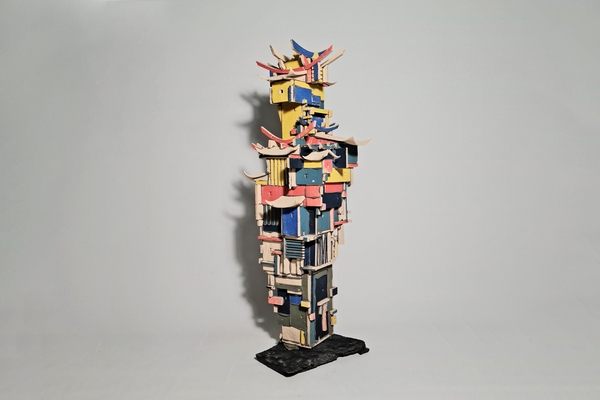
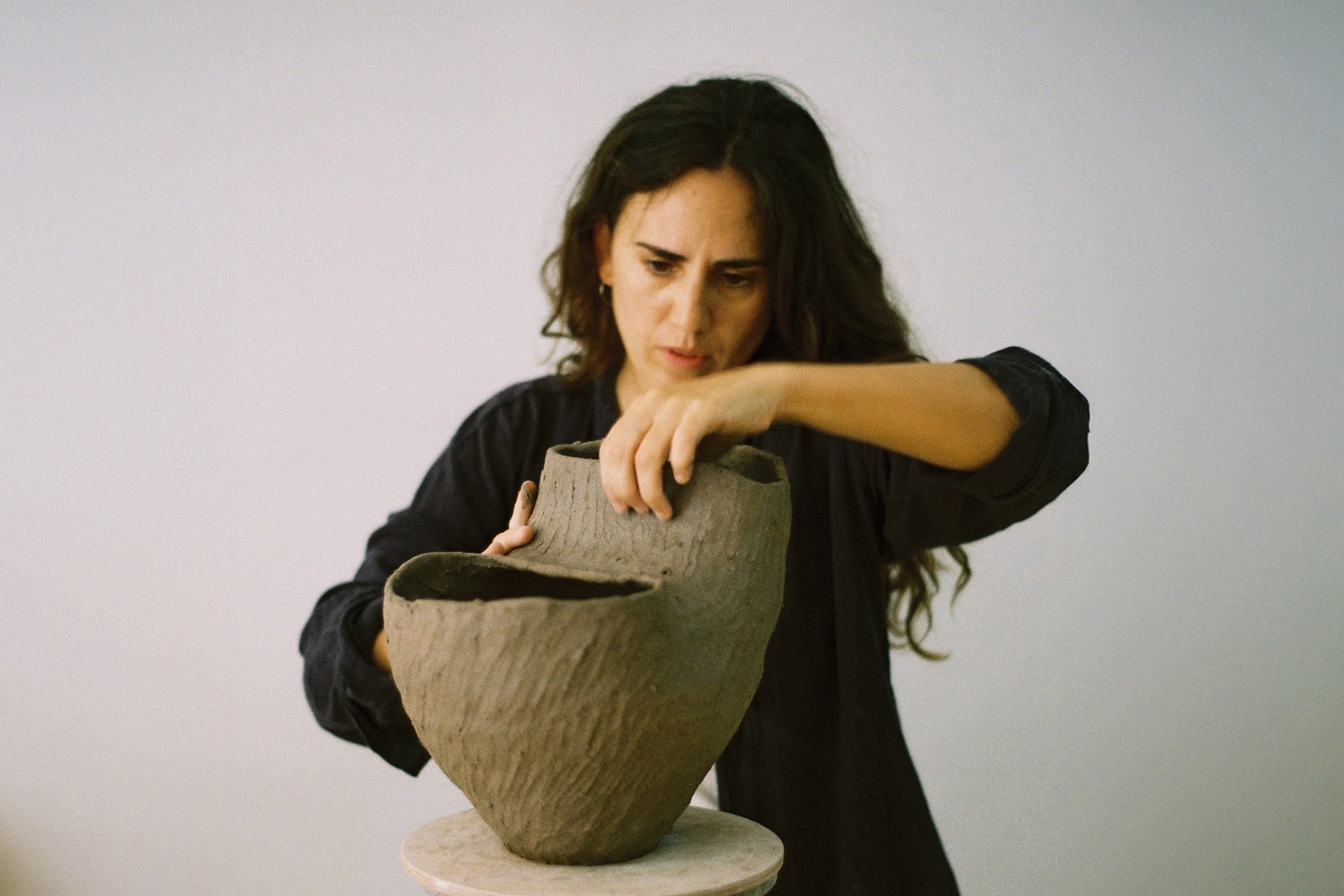
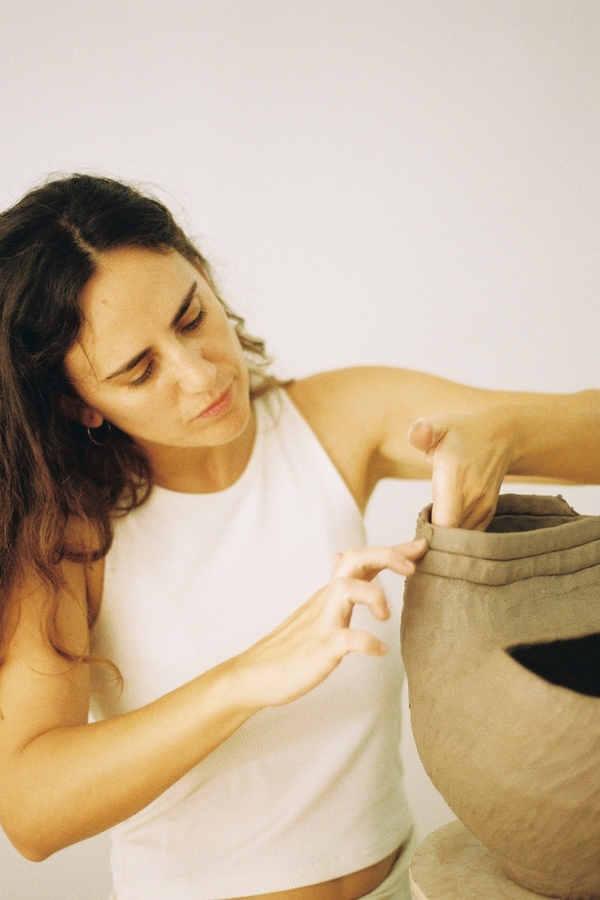
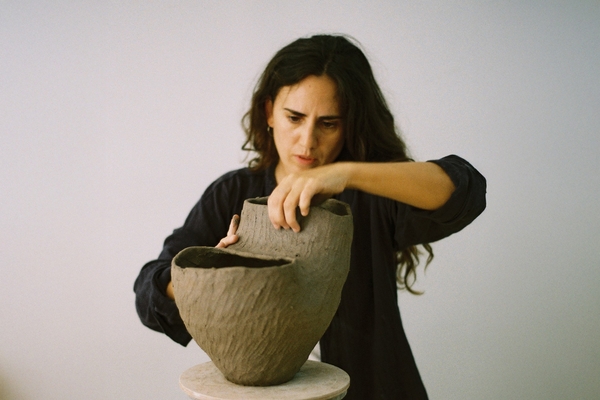
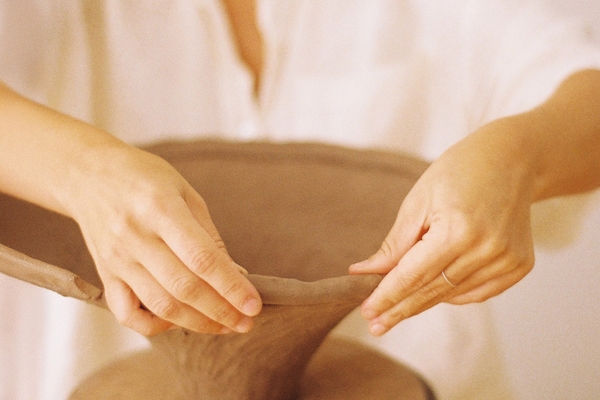
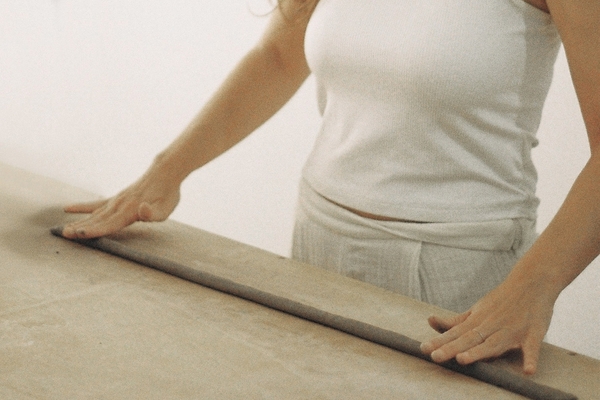
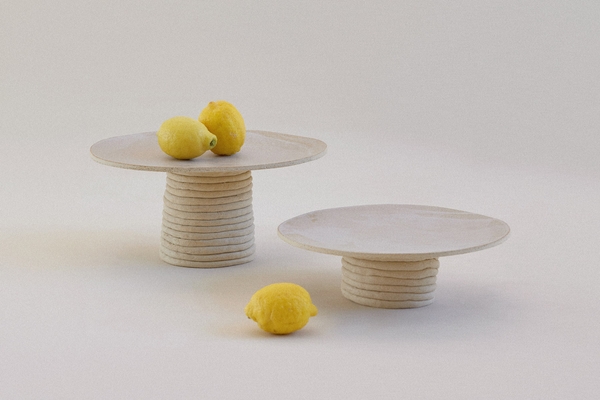
- Jordina’s sculptural ceramics are made using a coiling technique
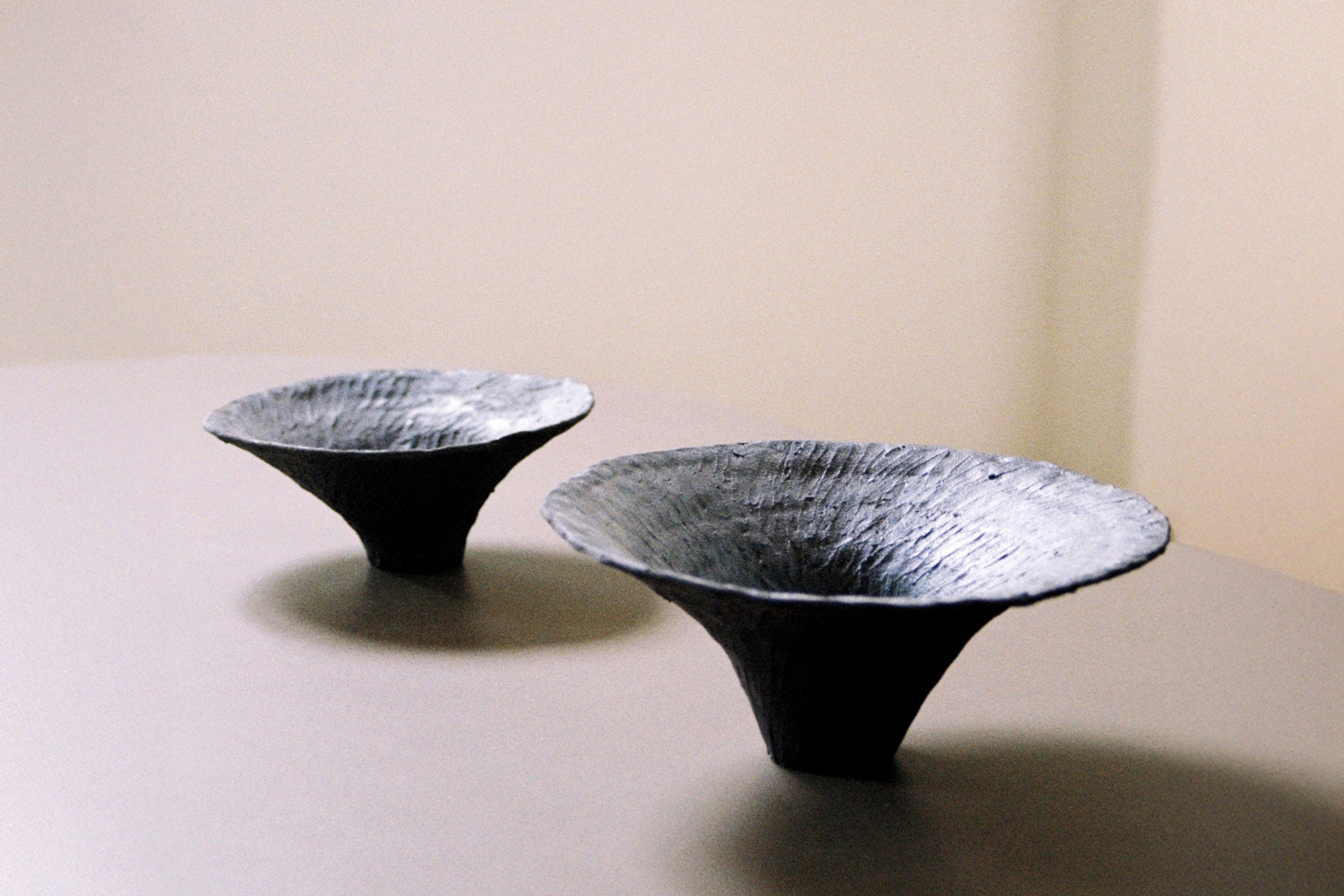
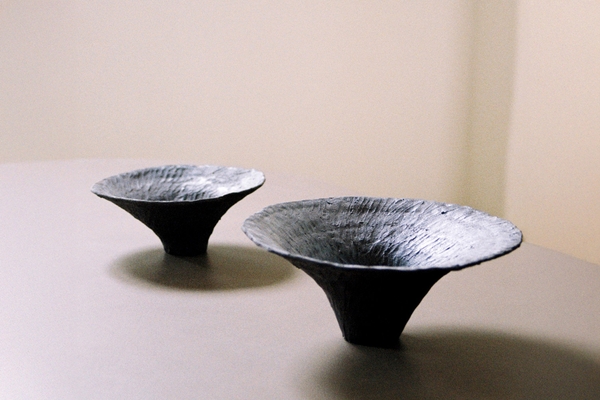
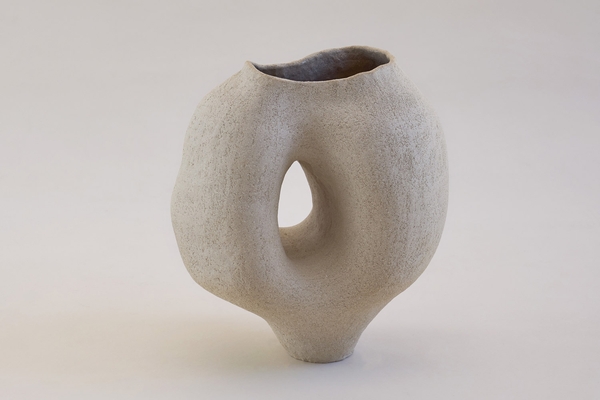
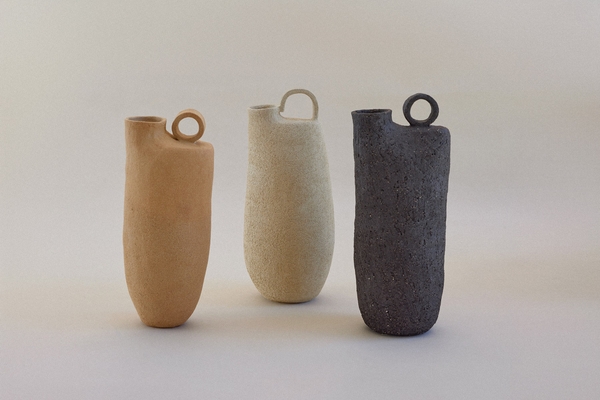
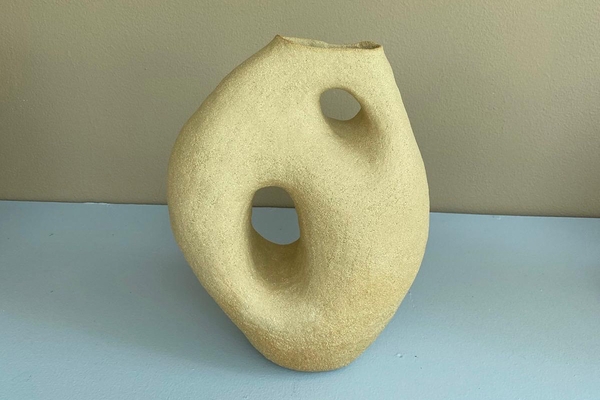
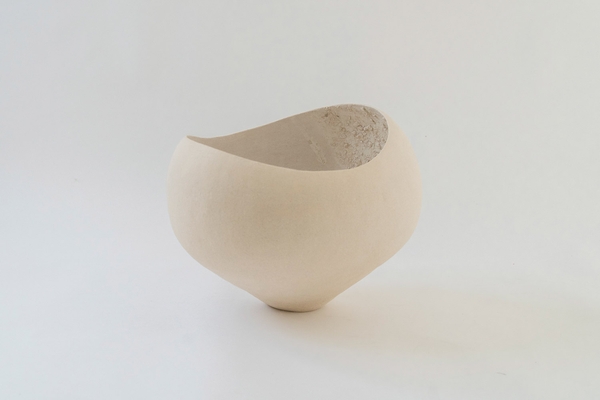
- Her work honours raw material, texture and imperfections
- She collaborates with galleries, architects and interior designers across Spain and France
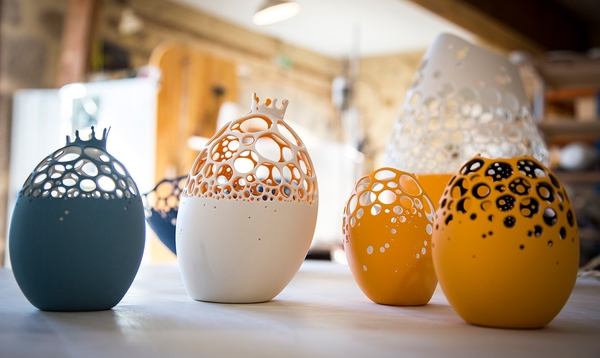
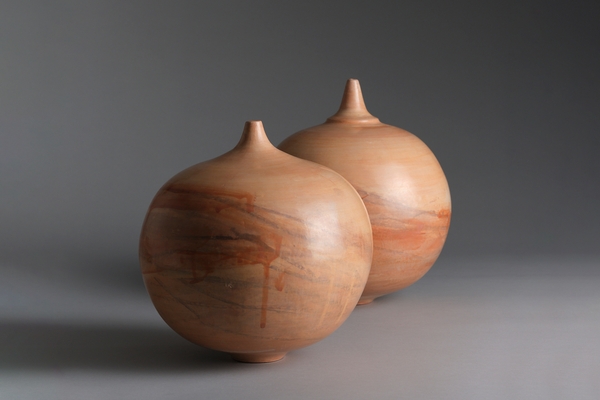
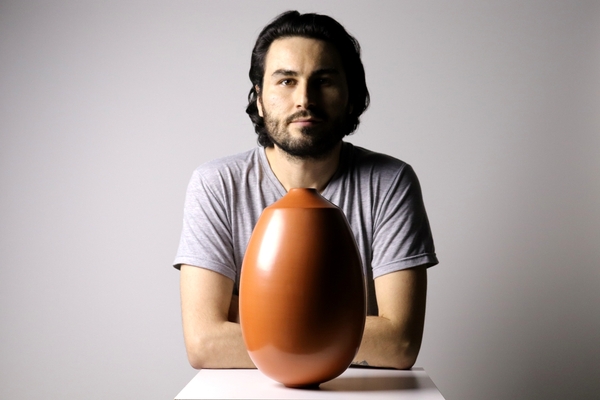
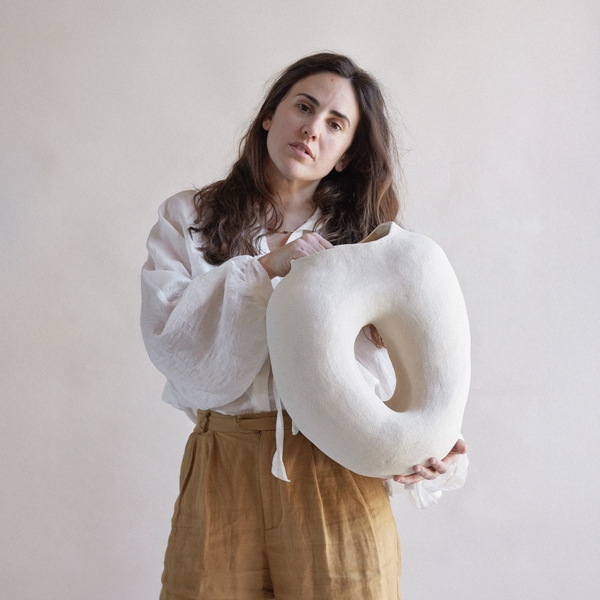
Jordina Diaz Ferrando creates her sculptural earth-toned chamotte stoneware in her studio, located in her grandfather’s former shop in Banyoles. After several years working in the cultural sector in London, she trained as a ceramicist at L'Escola de Ceràmica de la Bisbal and later learnt her craft from masters Dolors Ros and Ramon Fort. Jordina finds a great sense of purpose and inspiration in her local landscape. "My work is a celebration of slow craftsmanship, respect for natural processes and connection with the environment,” she says. Her pieces seek simplicity, sensuality and an economy of form, and are made with local materials and clay waste whenever possible.
Interview
- What drives your creative practice?
- Intuition and exploration are key aspects of my practice. I find inspiration in the organic forms, rhythms, colours and imperfections of the natural world. The landscape and environment around me are my main source of inspiration. I am fascinated by physicality, textures and earthy tones.
- How do the techniques and materials you use inform your process?
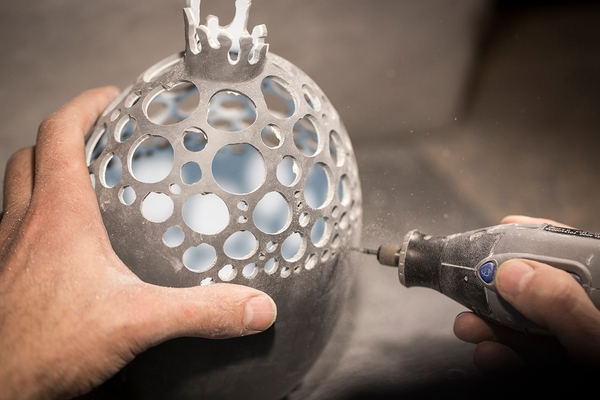
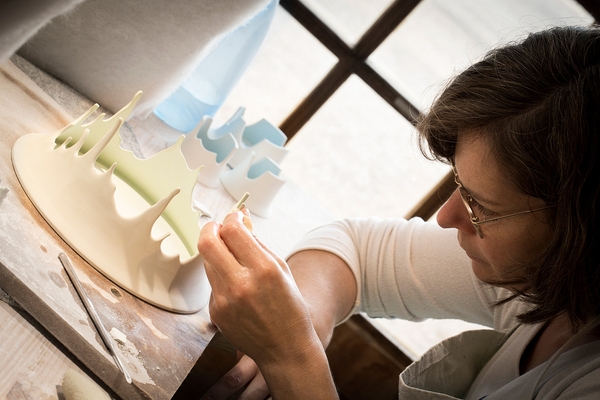
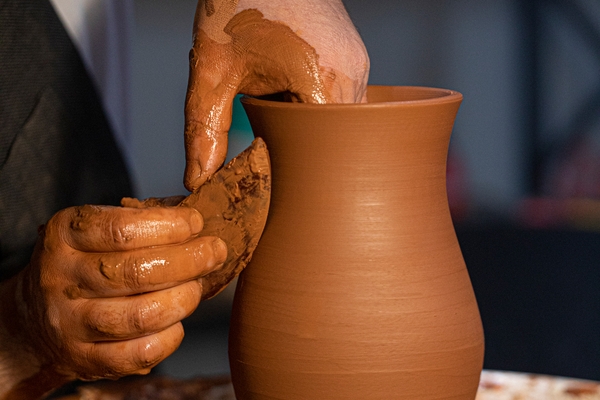
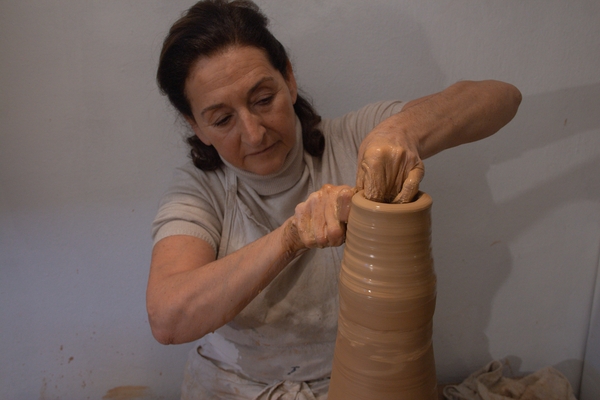
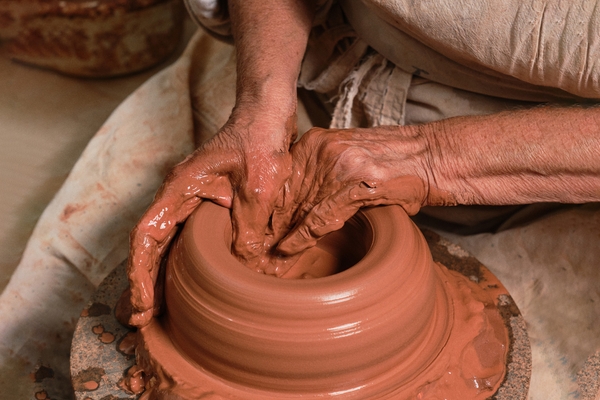
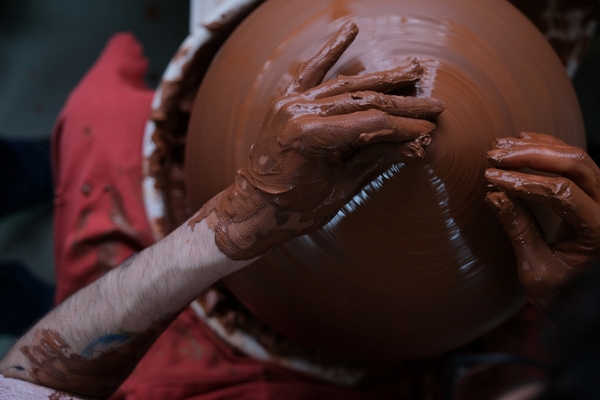
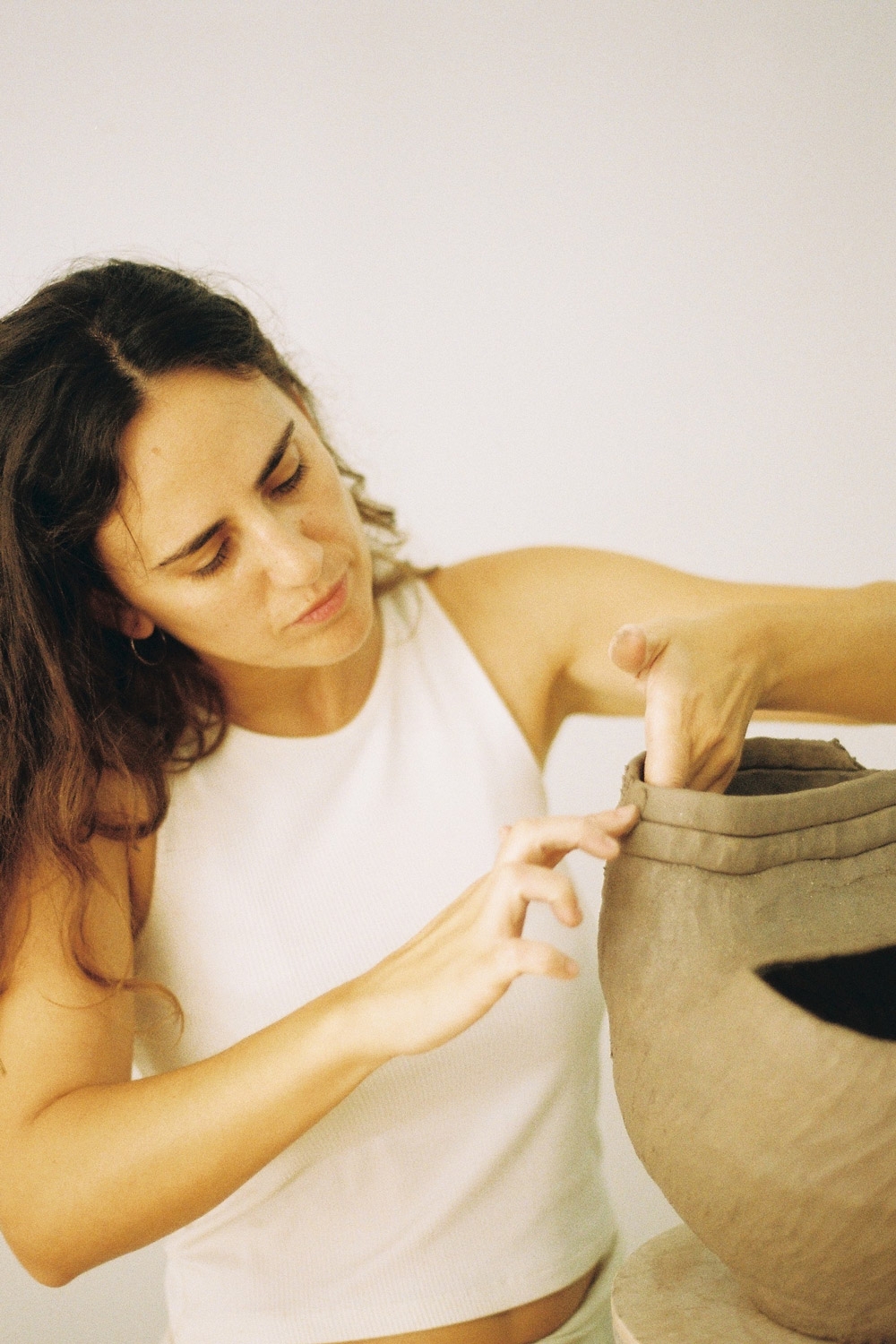
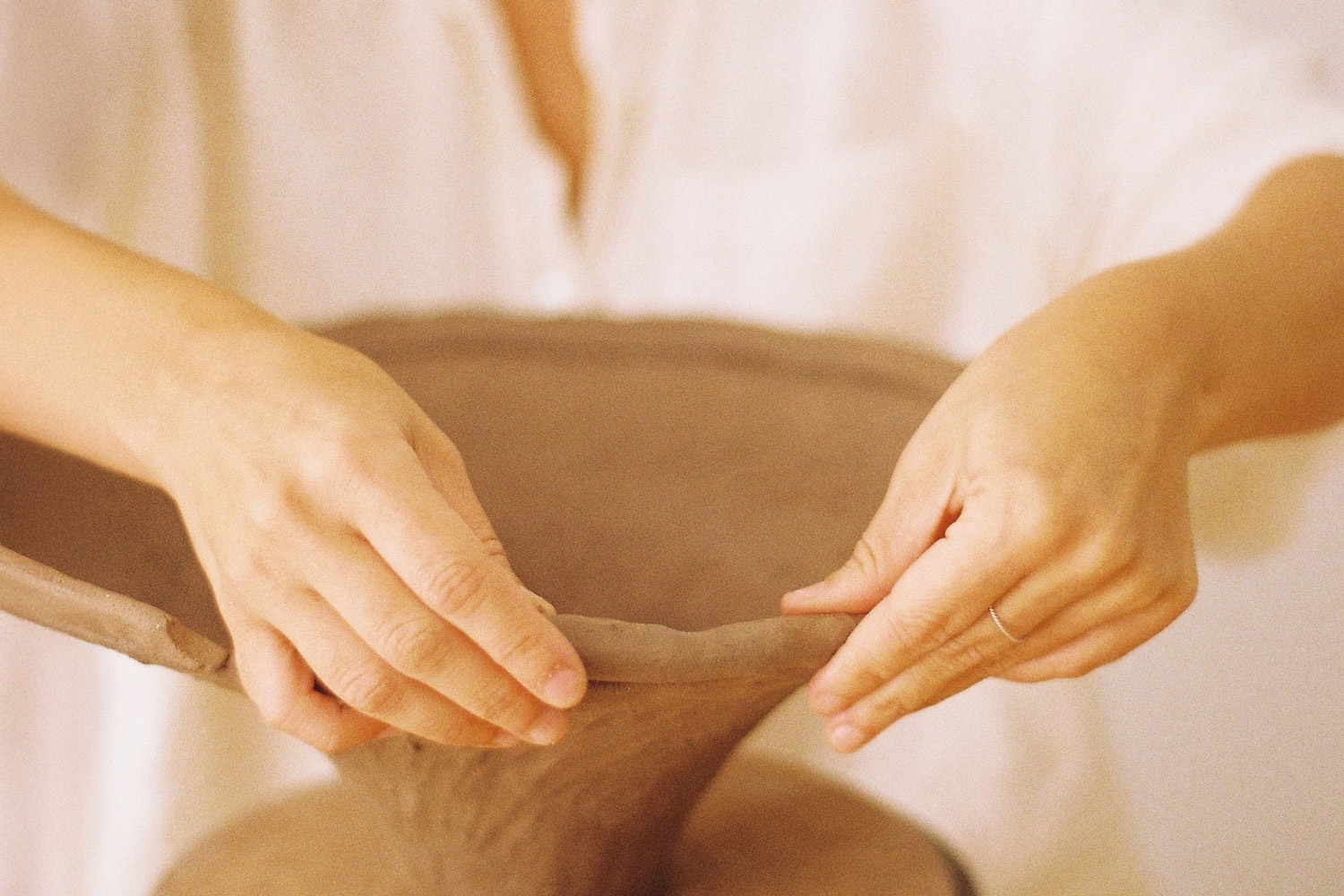
- Guided by my hands and my intuition, I build each piece using a coil modelling technique. This process allows me to explore a very personal artistic language, creating voluptuous and deliberately imperfect shapes. Many of my pieces are unglazed or only partially glazed, allowing me to expose the texture, roughness and truth of the material.
- How do you use recycled materials in your work?
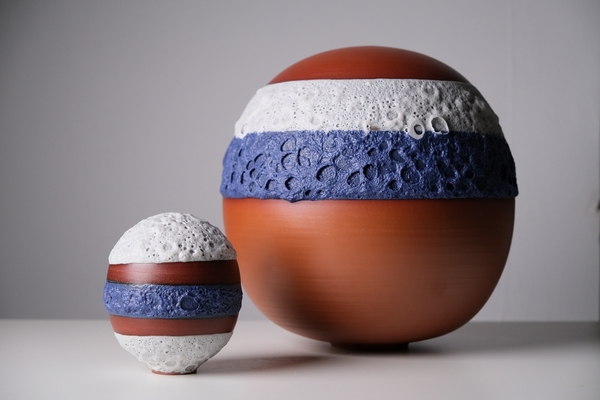
- I explore local landscapes, objects and materials to add texture or colour to my pieces. I also recycle waste clay and other materials so I can use them in new and experimental ways. It allows me to maintain a more conscious practice. My pieces are made by hand with delicacy and effort, respecting the process and time necessary for their creation.
- What is the most difficult part of your work?
- Without a doubt, the most complex challenge is the constant need to defend the added value of craftsmanship, as well as its artistic dimension. It is essential that artisans are the first to recognise and value their own work and to convey this with conviction.
Jordina Ferrando is a rising star: she began her career in 2021 and she started teaching in 2022
Where
Jordina Ferrando